
Most homeowners go into a remodel with a number in their head. That number is usually wrong, not because contractors are padding quotes, but because the true cost of a remodel includes things that never appear on the inspiration boards. The gap between what people expect to spend and what they actually spend is rarely about greed or surprises. It is almost always about a fundamental misread of where money genuinely goes in a renovation project.
The Hidden Work Behind the Visible Results
When a homeowner sees a finished kitchen, they see cabinets, countertops, and new appliances. What they do not see is the electrical panel upgrade that was required before a single cabinet went in, the rotted subfloor that had to come out, or the plumbing rough-in that took two full days of labor before anything cosmetic could begin. This is the part of remodeling that consistently catches people off guard.
Older homes throughout Virginia Highland and Atlanta, GA carry decades of layered decisions inside their walls. A bathroom renovation in a 1940s or 1950s home is a fundamentally different project than the same scope of work in a newer build. Knob-and-tube wiring, cast iron drain lines, and plaster walls all add real time and real cost. None of that is visible in a before photo, but all of it shows up in the final invoice.
Ben Dailey & Son has seen this pattern consistently across Atlanta-area projects: the homes that look the most charming on the outside often carry the most complexity on the inside. That is not a reason to avoid them. It is a reason to budget honestly from the start.
Where Paying More Is Simply Worth It
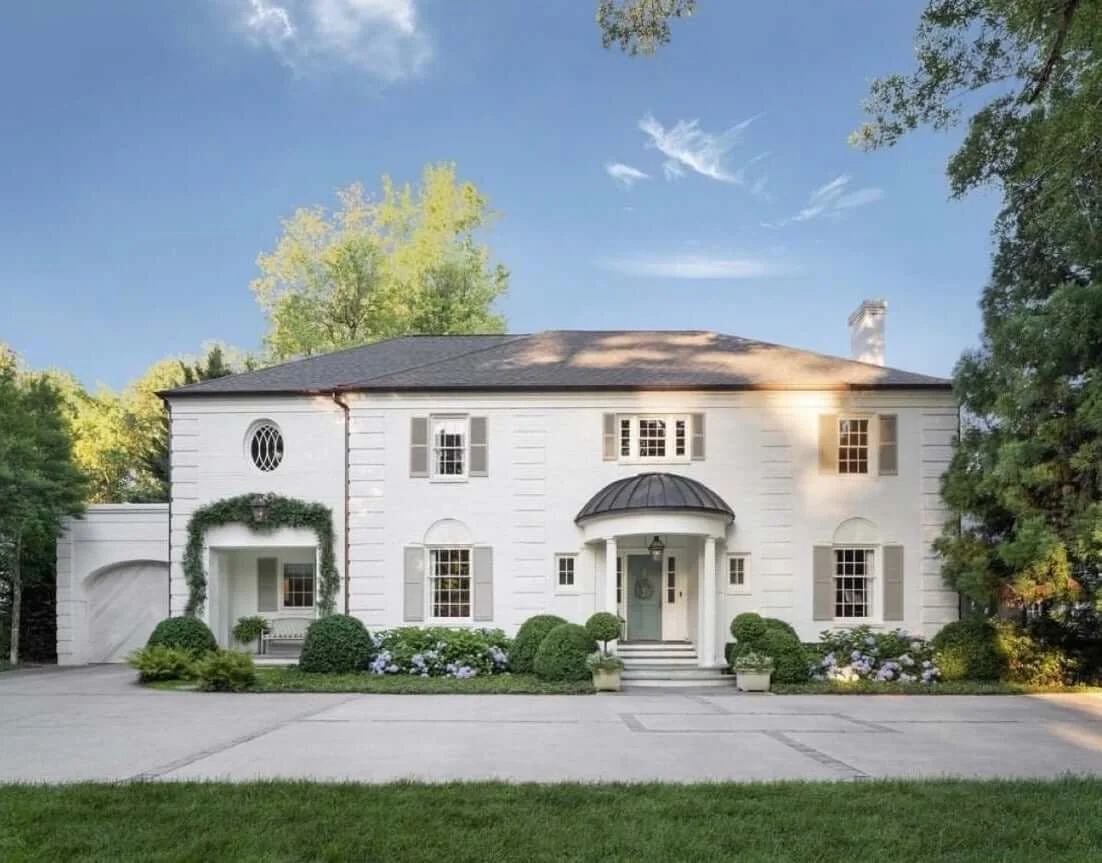
There are categories in a remodel where cutting cost creates regret almost immediately, and others where a lower-cost choice holds up just fine. Knowing the difference is something only experience teaches.
Skilled labor is the clearest example of where the higher price is the right price. A tile setter who charges more per day than a general laborer is not overpriced. They are faster, make fewer cuts, waste less material, and produce work that looks right in ten years. The same logic applies to custom millwork, waterproofing in wet areas, and structural work. These are not places to find savings.
Fixtures and finishes, by contrast, offer more flexibility than most people realize. A well-made mid-range faucet from a reputable manufacturer will perform identically to a luxury brand version in most residential applications. The same is often true of tile, hardware, and lighting. The key is knowing which category you are in before you start selecting, not after the budget is already stretched.
For homeowners considering a larger scope of work, a home design consulting conversation early in the process can help sort these decisions before any money is committed to materials.
The Real Cost of Scope Creep
Scope creep is the single biggest driver of blown budgets in residential remodeling. It does not happen because homeowners are reckless. It happens because once walls are open and a project is underway, adjacent problems become visible and adjacent possibilities become tempting.
A bathroom gut-and-replace becomes a hallway update when the new tile looks too good next to the old flooring. A kitchen remodel expands into the adjacent dining room because the layout suddenly makes sense. Each individual decision seems reasonable in the moment. The cumulative effect on cost is not.
The discipline required here belongs partly to the contractor and partly to the homeowner. At Ben Dailey & Son, the approach is to define scope clearly in writing before work begins, flag any discovered conditions immediately with a documented change order, and separate the question of what is necessary from what is desirable. That distinction, held firmly throughout a project, is what keeps a remodel on budget.
What a Realistic Budget Actually Looks Like
Round numbers are comfortable but rarely accurate. A kitchen remodel in the Virginia Highland area of Atlanta, GA can range from roughly $40,000 for a straightforward refresh to well over $100,000 for a full reconfiguration with custom cabinetry and high-end appliances. A primary bathroom renovation typically runs $25,000 to $60,000 depending on size, existing conditions, and finish level. Whole-house renovations scale considerably from there.
Contingency is not optional. A 15 to 20 percent buffer above your estimated project cost is standard practice for good reason. In an older home, that buffer gets used. In a newer home, it sometimes does not, and that is the best outcome: the project finishes under budget.
Homeowners who want to see what quality work actually looks like before committing to a scope can browse the Ben Dailey & Son project gallery for a realistic picture of finished results across different project types. The details in those photos tell the story better than any description can.
Ben Dailey & Son serves homeowners throughout Atlanta, GA as a trusted local resource for home remodeling and custom construction. If you are planning a project and want a straightforward conversation about what it will actually cost and why, reach out directly. Ben Dailey & Son, 710 Windsor Parkway, Atlanta, GA 30342, (404) 626-8856.
Frequently Asked Questions
What should I budget for a kitchen remodel?
A kitchen remodel in the Virginia Highland area can range from roughly $40,000 for a straightforward refresh to well over $100,000 for a full reconfiguration with custom cabinetry and high-end appliances. It’s essential to consider your specific needs and the existing conditions of your home when estimating costs.
What is scope creep and how can I avoid it?
Scope creep refers to the tendency for projects to expand beyond their original goals, which can lead to blown budgets. To avoid this, it’s important to define the project scope clearly in writing before work begins and to document any changes as they arise, separating necessary work from desirable upgrades.
Why are some remodeling costs higher than expected?
Many homeowners underestimate the costs because they don’t account for hidden work, such as electrical upgrades or plumbing issues, that must be addressed before visible changes can occur. It’s crucial to budget honestly and include a contingency of 15 to 20 percent to cover these unexpected expenses.
What areas of a remodel should I prioritize spending on?
Investing in skilled labor is essential, as experienced professionals can produce better results and reduce waste. Areas like custom millwork and structural work should not be places to cut costs, while fixtures and finishes offer more flexibility for budget-friendly choices without sacrificing quality.
Get Directions to Ben Dailey & Son
🎧 Listen to this as a podcast
Also on Apple Podcasts, Spotify, and Amazon Music.