
Finishing a basement is one of the most significant investments you can make in a home. Done right, it adds livable square footage, improves resale value, and solves real problems: a family that has outgrown its space, a need for a home office, a guest suite that actually functions. Done wrong, it becomes a source of moisture problems, code violations, and expensive do-overs. Before you commit to a contractor, the most important decision you will make is not which flooring or which fixtures. It is who builds it.
What the Numbers Actually Look Like
A finished basement in the Atlanta area typically runs between $35 and $75 per square foot for mid-range work, and considerably more for high-end finishes, a full bathroom, or a wet bar with custom cabinetry. A 1,000-square-foot basement with a bathroom, an egress window, and quality finishes can easily reach $80,000 to $120,000 once you account for framing, electrical, plumbing rough-in, HVAC extension, insulation, drywall, flooring, and trim. National franchise builders often advertise lower entry-level prices, but those numbers almost always reflect the most stripped-down scope. Change orders are where the real cost accumulates, and with a large national outfit, those changes go through layers of project managers before they reach anyone with authority to approve them.
With a local firm, you are typically talking directly to the person making the decisions. That matters when an inspector flags something unexpected, when the waterproofing situation turns out to be more complex than the initial walk-through suggested, or when you want to swap out a material mid-project without waiting a week for approval from a regional office.
Where National Companies Have a Real Advantage
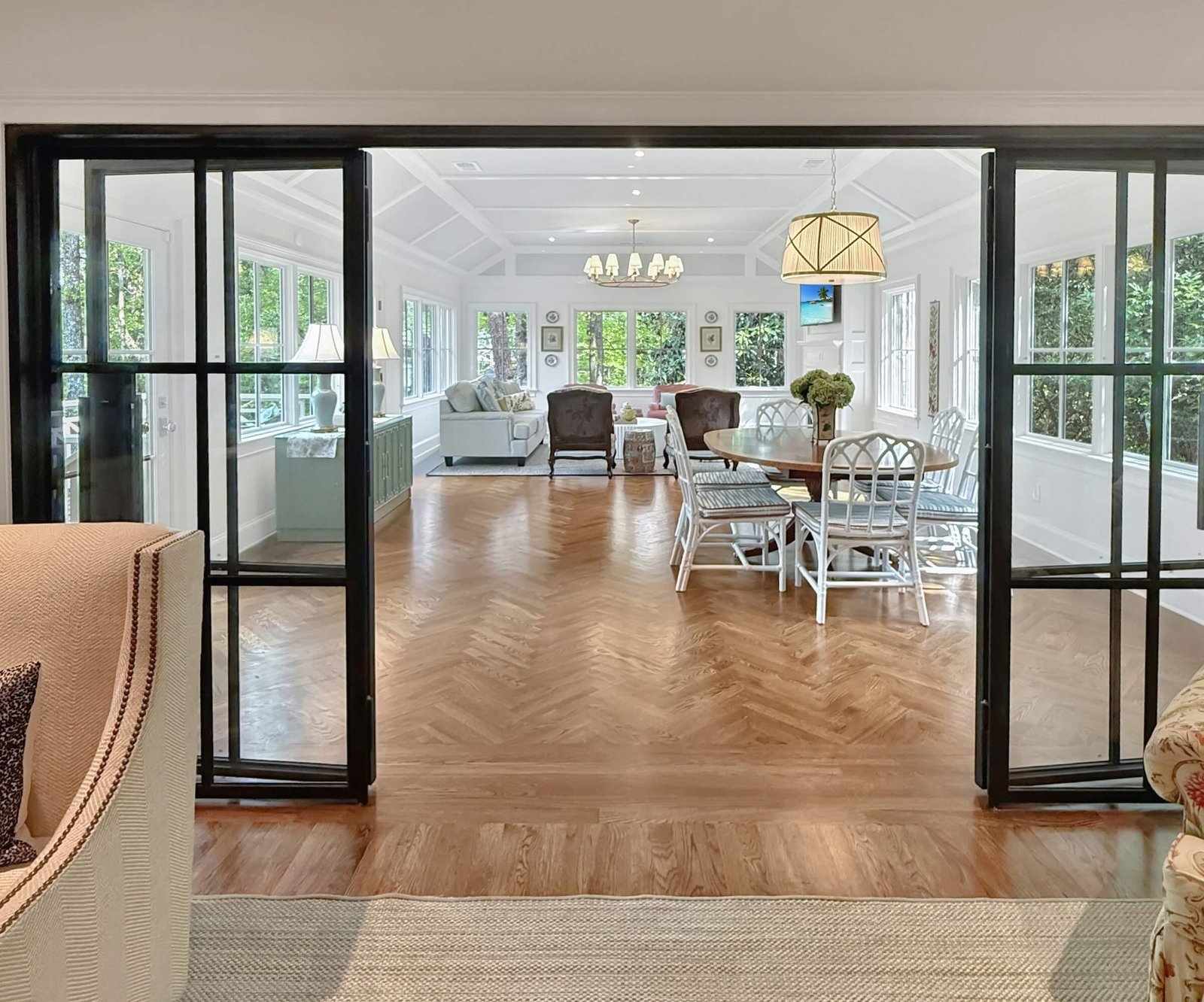
It is worth being honest here. Large national builders can offer things a smaller local firm sometimes cannot. Financing programs, extended warranties backed by a corporate entity, and deep purchasing relationships with material suppliers are genuine advantages. If you are doing a very straightforward, budget-focused project with standard finishes and no custom elements, a national company’s systemized process can move quickly and predictably.
They also tend to have polished sales processes and detailed contracts drawn up by legal teams, which some homeowners find reassuring. If your primary concern is a low price on a simple job and you are comfortable working through a customer service structure rather than a direct relationship, that model can work.
The trade-off is accountability. When something goes wrong six months after completion, the local owner has his name on the truck. The national franchise has a dispute resolution process.
The Specifics That Catch Homeowners Off Guard
Basements in older Atlanta-area homes carry a particular set of challenges. Moisture management is the biggest. Many homes in neighborhoods like Edgewood sit on clay-heavy soil that holds water against foundation walls. Before a single stud goes up, the waterproofing strategy has to be right. That means understanding the existing drainage situation, checking for any history of seepage, and sometimes installing interior drainage systems or exterior membrane coatings before framing begins. A contractor who skips this assessment or treats it as a minor line item is setting the homeowner up for mold and structural damage.
Egress is another issue that surprises people. Building code requires at least one egress window in any basement bedroom. Cutting a new window opening into a concrete or masonry foundation wall is not a small job. It requires excavation, structural reinforcement, a proper window well, and drainage at the base of that well. Homeowners who get quotes that seem unusually low should ask specifically how egress is handled and whether it is included.
Ben Dailey & Son has observed that the most common mistake homeowners make is approving a scope of work before anyone has done a thorough moisture assessment. That single oversight accounts for more failed basement projects than any other factor. Rushing past it to get to the exciting design decisions is understandable, but it is the wrong order of operations.
What a Genuine Local Relationship Looks Like in Practice
Working with a local custom builder on a basement project means the person who walked your space, developed the plan, and gave you the estimate is reachable by phone. When the drywall crew finds an unexpected beam that changes the ceiling height in one corner, you get a call that day, not a ticket in a queue. When the inspector has a question, the contractor handles it directly rather than routing it through a call center.
For homeowners in Edgewood and the broader Atlanta, GA area, that responsiveness has real value. Projects rarely unfold exactly as planned. Soil conditions vary, older homes have surprises behind walls, and personal taste evolves during construction. A local firm has the flexibility to adapt. You can see finished work in the project gallery to get a realistic sense of what that craftsmanship looks like, and if you are also thinking about broader home remodeling services in Atlanta, GAa single trusted firm can coordinate across the whole project rather than hand you off between departments.
Ben Dailey & Son brings that kind of direct accountability to every basement project it takes on, and the difference shows in both the process and the finished result.
If you are weighing your options for a basement project in Atlanta, GA, Ben Dailey & Son is a local resource worth a conversation. Reach them at 710 Windsor Parkway, Atlanta, GA 30342, or call (404) 626-8856.
Frequently Asked Questions
What should I prepare before starting a basement project with a builder?
Before starting, it’s crucial to have a thorough moisture assessment conducted. This step is often overlooked but is essential to prevent mold and structural damage later on. Make sure to discuss the specific waterproofing strategy that will be implemented as part of the project.
What are the typical costs associated with finishing a basement?
A finished basement in the Atlanta area typically ranges from $35 to $75 per square foot for mid-range work. For a 1,000-square-foot basement with a bathroom and quality finishes, costs can easily reach between $80,000 to $120,000, depending on the scope of work and materials used.
What are common mistakes homeowners make when choosing a builder?
One of the most common mistakes is approving a scope of work before a thorough moisture assessment has been done. This oversight often leads to failed projects and expensive fixes down the line. It’s important to prioritize this assessment to avoid future complications.
How does working with a local builder differ from a national company?
Working with a local builder allows for direct communication with the decision-maker, which can lead to quicker problem resolution during the project. In contrast, national companies often have layers of project managers, which can slow down the process, especially for change orders or unexpected issues that arise during construction.
Get Directions to Ben Dailey & Son
🎧 Listen to this as a podcast
Also on Apple Podcasts, Spotify, and Amazon Music.