
Most homeowners don’t wake up one morning and decide to rebuild their deck. The realization tends to creep in over time, through a series of small frustrations that eventually add up to something undeniable. A board that flexes underfoot. A pergola that looks dated in every photo. A patio that the family stopped using two summers ago without anyone really noticing. These are the real signals that a backyard space has outlived its design, and they matter more than any trend magazine will tell you.
Structural Problems That Go Beyond Cosmetics
The first category of signs is the one that actually carries risk. Deck boards that have begun to cup, crack, or show soft spots are not a maintenance issue. They are a structural warning. Pressure-treated lumber has a service life, and once moisture has worked its way into the framing, the damage spreads faster than most homeowners expect. Check the ledger board where the deck attaches to the house. If the flashing has failed or the connection has corroded, you are looking at a rebuild, not a patch.
Concrete patios tell a different story. Slab settlement, wide cracks running diagonally across corners, and standing water after rain all point to a drainage or sub-base problem. Resurfacing over a failing slab is money spent twice. Ben Dailey & Son consistently advises clients to have the sub-grade evaluated before committing to any surface treatment, because the finish material is only as good as what sits beneath it.
Stone and tile work around pools or on covered patios can also telegraph deeper issues. Grout failure and tile lift usually mean water has found its way under the surface. In Atlanta, GA, the freeze-thaw cycle is mild compared to northern climates, but it still does real damage to improperly installed hardscape over years.
Design That No Longer Fits How You Actually Live
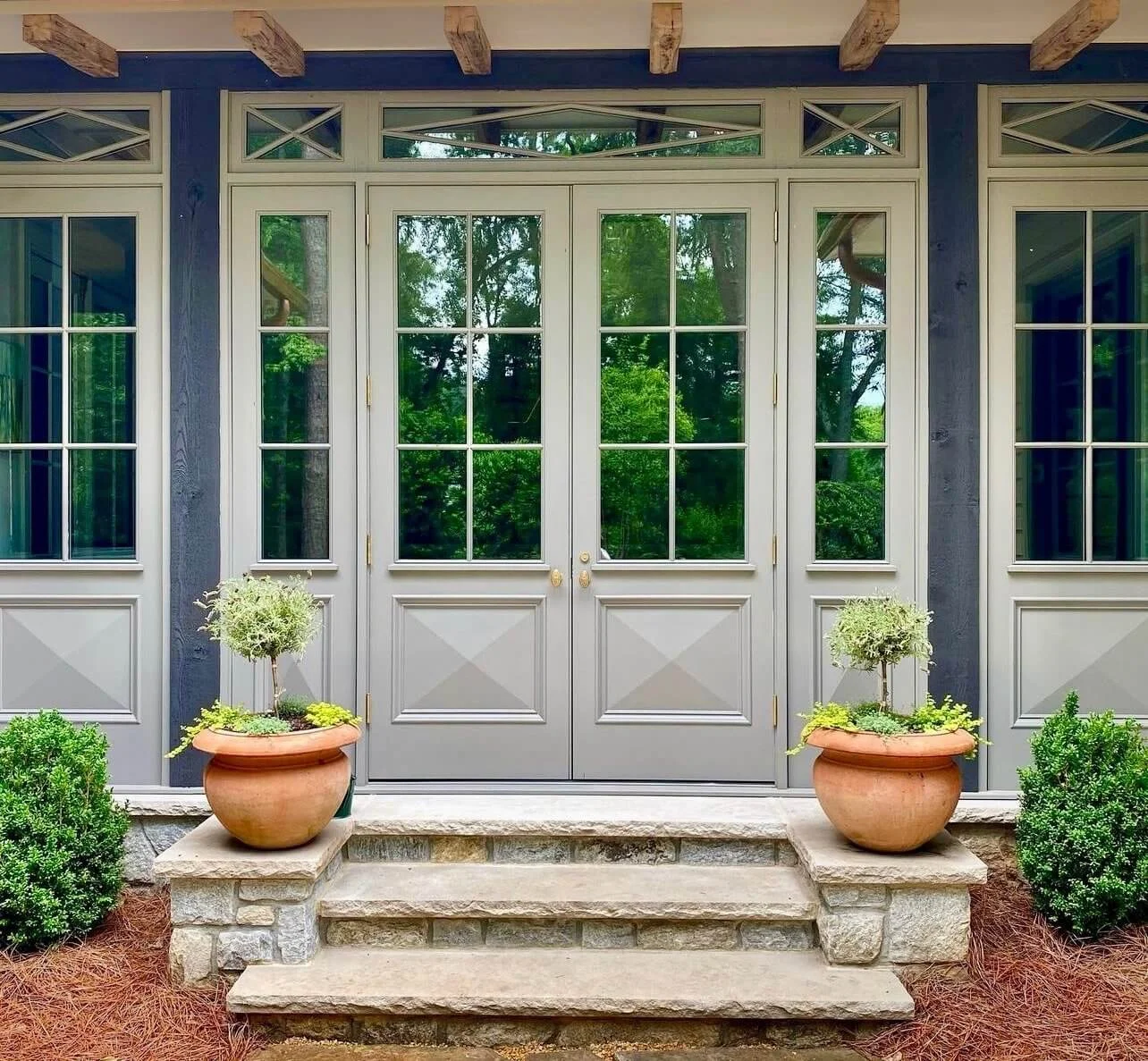
Structural failure is obvious. Functional obsolescence is subtler and often more expensive to ignore. A 10-by-12 deck might have been adequate for a couple with no children. It is nearly useless for a family of four who wants to grill, eat outside, and have space for guests simultaneously. The square footage did not shrink. The life around it changed.
Think about how the space gets used on a typical weekend. If the answer is “it doesn’t,” that is diagnostic information. Common culprits include poor shade coverage, no weather protection, inadequate lighting for evening use, and a layout that forces awkward traffic flow between the kitchen door and the seating area. These are solvable problems, but solving them requires rethinking the entire plan rather than adding a piece here and there.
Ben Dailey & Son works with homeowners across Atlanta, GA to map out how a redesigned exterior space would actually function day to day, before a single material gets specified. That conversation almost always reveals that the original design made assumptions about behavior that turned out to be wrong.
Materials That Have Aged Past Their Prime
Composite decking from the early 2000s is a good example of a material that seemed like a solution and became a problem. Early-generation composites faded, stained, and grew mold in ways that current capped composite products do not. If your deck surface is more than fifteen years old and showing significant color loss or surface pitting, replacing it with a current product is not cosmetic vanity. It changes the maintenance load substantially.
Wrought iron railings with peeling paint, aluminum screen enclosures with bent framing, and wood pergolas with failing joinery are all candidates for full replacement rather than repair. The labor cost to strip, prep, and repaint deteriorated metal often approaches the cost of new powder-coated aluminum, which will outlast the original by decades. Homeowners in neighborhoods like Druid Hills, where older homes have exterior structures that date back twenty or thirty years, run into this calculation regularly.
For a closer look at how these projects come together from design through installation, the Ben Dailey & Son project gallery shows real completed work rather than stock imagery.
When an Addition Makes More Sense Than a Repair
Some homes in the Atlanta, GA area simply never had a functional exterior space built in the first place. A builder-grade concrete stoop off the back door is not a patio. It is a placeholder. Recognizing that distinction is the moment a homeowner moves from maintenance thinking to investment thinking.
Adding a covered outdoor room with a fireplace, built-in kitchen, or ceiling fans changes how a home functions across most of the year. It is not a luxury addition in the abstract sense. It is square footage that gets used. The decision to expand rather than repair usually comes after the third or fourth time a repair fails to address the underlying limitation. Ben Dailey & Son sees this pattern constantly, particularly with clients who have been patching the same space for years before finally committing to a design that actually solves the problem.
If the goal is a fully integrated exterior living environment, the Outdoor Living spaces services page outlines what a complete project looks like from planning through construction.
Ben Dailey & Son is a trusted custom home builder and remodeling contractor serving Atlanta, GA and the surrounding area. For homeowners ready to have a direct conversation about what their space actually needs, the team can be reached at 710 Windsor Parkway, Atlanta, GA 30342, (404) 626-8856.
Frequently Asked Questions
What should I look for to know if my deck needs to be rebuilt?
Look for signs like deck boards that are cupping, cracking, or showing soft spots. If the ledger board where the deck attaches to the house has corroded or if there is flashing failure, those are strong indicators that a rebuild is necessary rather than just a repair.
How can I tell if my concrete patio has underlying issues?
Signs of underlying issues with a concrete patio include slab settlement, wide diagonal cracks, and standing water after rain. Resurfacing a failing slab will only lead to additional costs, so it’s critical to evaluate the sub-grade before proceeding with any surface treatment.
What factors should I consider when planning an outdoor space update?
Consider how your family uses the space on a typical weekend. If the area doesn’t get used or lacks features like shade, weather protection, or adequate lighting, it may be time to rethink the entire layout to better fit your lifestyle.
When is it better to add a new space rather than just repair what I have?
If you find yourself repeatedly repairing the same area without addressing the underlying issues, it may be more beneficial to consider adding a new space, like a covered room or outdoor kitchen. This approach can provide a functional area that enhances how your home operates throughout the year.
Get Directions to Ben Dailey & Son
🎧 Listen to this as a podcast
Also on Apple Podcasts, Spotify, and Amazon Music.