
Most homeowners come to a contractor with a picture saved on their phone and a number in their head. The picture is usually a magazine-quality covered patio with a built-in grill, a stone fireplace, and seamless tile work stretching out to a pool deck. The number is usually about half of what that picture actually costs to build correctly. That gap, between the image and the budget, is where outdoor living projects go sideways before a single shovel breaks ground.
The Budget Assumptions That Cost the Most
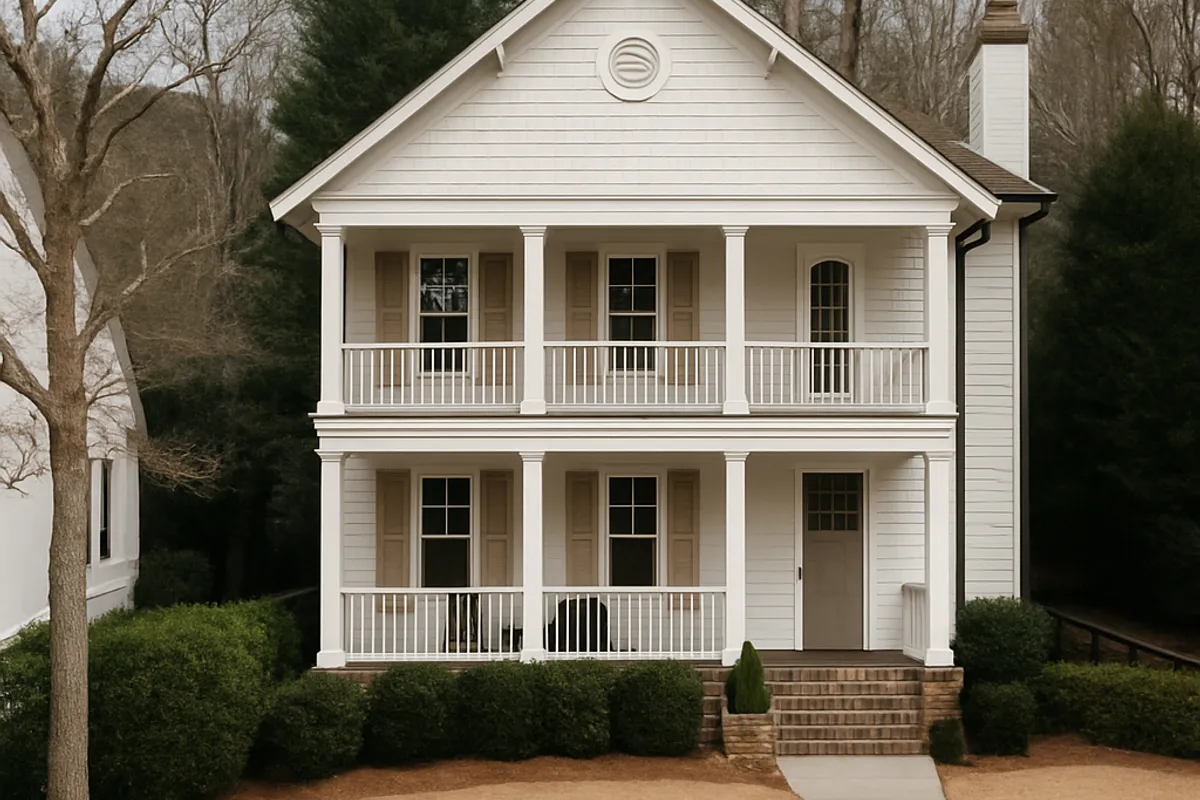
The single most common mistake is treating an outdoor project the same way you would a furniture purchase. Customers see a patio cover kit at a big-box store for a few thousand dollars and assume that represents the real cost of the work. It does not. A properly engineered covered structure with a concrete or Trex deck, electrical for lighting and fans, a gas line for an outdoor kitchen, and waterproofing details that will hold up for twenty years runs between $40,000 and $150,000 depending on scope and materials. That range is not vague, it reflects real choices: a simple pergola with a stamped concrete pad sits at one end, a fully outfitted outdoor room with a kitchen, fireplace, and structural roof sits at the other.
What drives cost up faster than anything else is scope creep that happens after contracts are signed. A homeowner adds a built-in refrigerator, changes the countertop from concrete to quartzite, or decides mid-project that they want a ceiling fan rough-in at four locations instead of two. Every one of those changes costs more than it would have if it had been in the original plan. Ben Dailey & Son consistently tells clients to make their decisions on paper before anything is ordered. Changes in the design phase cost time. Changes in the construction phase cost money.
Permits, Setbacks, and What Your Lot Actually Allows
Sandy Springs has its own permitting requirements, and they are not optional. Any permanent structure attached to the house, any structure over a certain square footage, and any project involving electrical or gas work requires a permit. Homeowners who try to skip this step either have to tear out work later or face complications when they sell. Lot setbacks are another issue that surprises people. In many neighborhoods near Abernathy Road and I-285, the buildable area on a lot is smaller than it looks. A deck or patio that extends too close to a property line violates zoning, regardless of how it looks from the back door.
A good contractor pulls the permits, knows the local codes, and flags setback issues before design is finalized, not after framing is up. Ben Dailey & Son handles this process for clients in Sandy Springs and across Atlanta, GA because discovering a zoning conflict late is one of the most expensive problems a project can produce.
Why the Contractor You Choose Changes the Outcome Completely
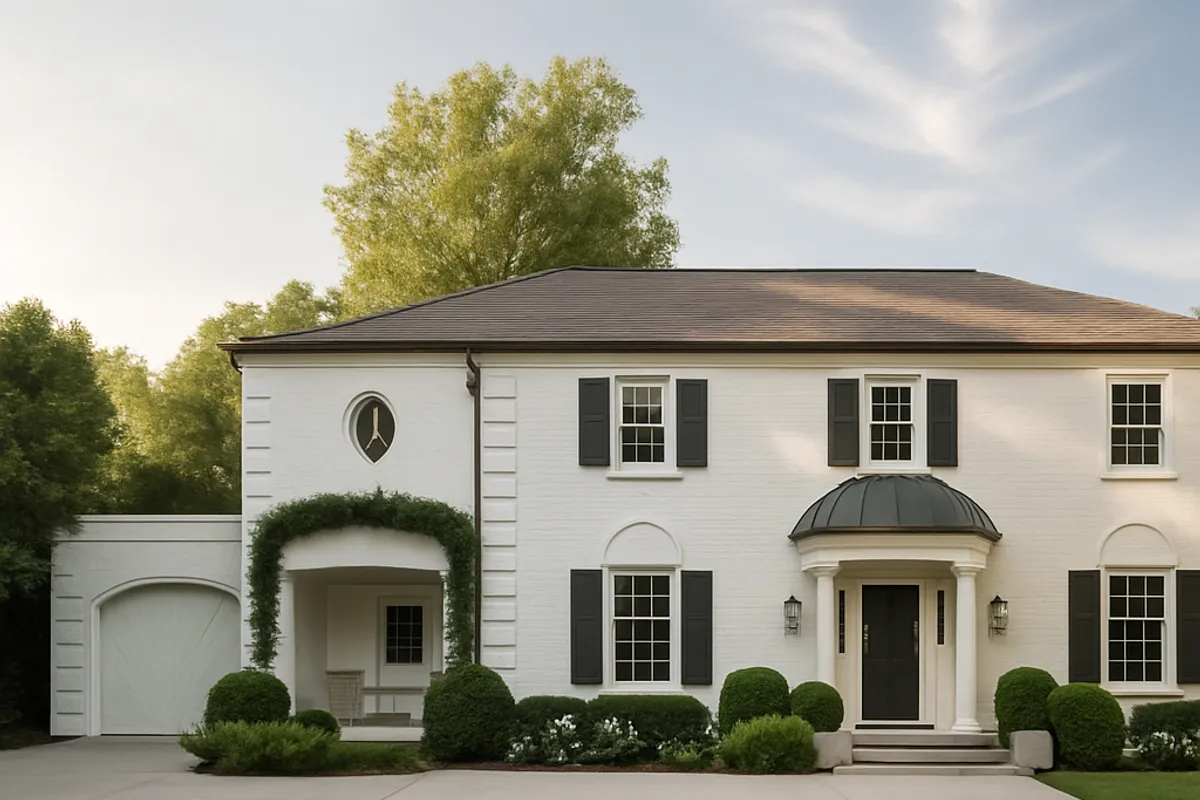
Outdoor projects sit at the intersection of structural work, finish carpentry, masonry, plumbing, and electrical. That is not a list of trades a handyman coordinates on weekends. The waterproofing detail where a covered structure meets the house wall is one of the most failure-prone connections in residential construction. If that flashing is done incorrectly, water finds its way into the wall cavity, and the damage shows up two or three years later as rot, mold, or staining that costs far more to fix than the original project cost to build.
Ben Dailey & Son approaches Outdoor Living projects with the same level of detail applied to interior renovations and custom home construction. That means drawings before demo, material selections confirmed before ordering, and a project timeline that accounts for lead times on custom pieces like stone coping or steel pergola components. You can see the kind of finished work that results from that process in the project gallery, which gives a more honest picture of scope and quality than any stock photo.
What to Settle Before the First Meeting
Before sitting down with any contractor, homeowners should have three things clear. First, a realistic budget range, not a ceiling they are hoping to beat, but an honest number they are prepared to spend. Second, a list of the functions the space needs to serve: cooking, dining, entertaining large groups, or quiet use by a small family. Third, a sense of how the space connects to the interior of the house, because the best outdoor projects feel like a natural extension of the rooms they adjoin, not an afterthought bolted onto the back of the structure.
Clients who come in with those three things settled move through design quickly and avoid the expensive mid-project pivots that derail timelines. Those who come in with only the magazine photo tend to spend more time and money getting to the same place. If you want to understand how Ben Dailey & Son approaches a project from the first conversation forward, the our story page gives honest context about how the business works and what clients can expect.
Ben Dailey & Son is the local expert for Outdoor Living projects in Atlanta, GA and the surrounding area, including Sandy Springs. The office is located at 710 Windsor Parkway, Atlanta, GA 30342. Reach the team at (404) 626-8856 with questions about scope, budget, or what your lot and local codes actually allow.
Frequently Asked Questions
What should I prepare before starting a custom home building project?
Before starting a custom home building project, it’s essential to clarify your vision, budget, and timeline. Gather ideas and inspirations, and consider your lifestyle needs to communicate effectively with your builder.
What are the typical costs associated with custom home building?
The costs for custom home building can vary significantly based on factors such as size, location, and materials. It’s important to discuss your budget upfront with your builder to align expectations and explore options that fit within your financial plan.
What should I watch out for when hiring a custom home builder?
When hiring a custom home builder, watch for clear communication, transparency in processes, and a portfolio that reflects quality craftsmanship. Be cautious of builders who do not provide detailed contracts or who seem unwilling to discuss project timelines and budgets.
What are common mistakes people make when building a custom home?
Common mistakes include not establishing a clear budget, failing to communicate expectations, and overlooking the importance of site selection. It’s crucial to engage in thorough planning and consultation with your builder to avoid these pitfalls.